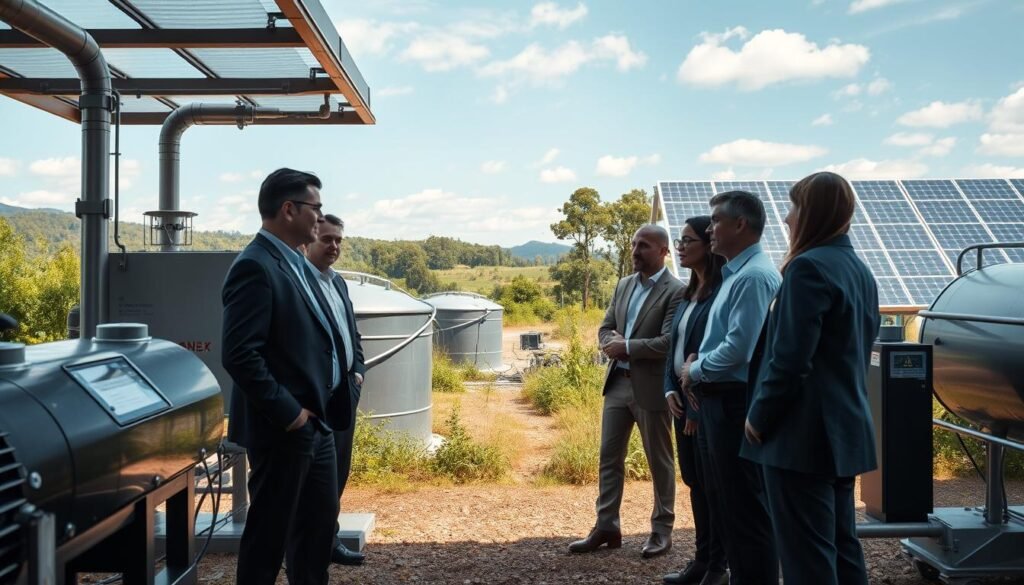
Nearly 1.3 billion gallons of used oil are recycled in the U.S. each year. But, a lot of it still ends up in landfills and waterways. This shows how important it is to choose the right oil collection company.
High-standard oil collection companies do more than just collect oil. They use the latest technology and follow strict rules to protect the environment. This way, they keep both businesses and people safe.
Looking into the oil collection market, we found key traits of top providers. They have clear prices and skilled workers. They also use modern tools to avoid spills and harm to the environment. And, they see following rules as a key part of their work.
In this article, we’ll show you what makes top oil collection companies stand out. You’ll see how caring for the environment can lead to success. We’ll also give you tips on how to pick the right partner for your business. And, we’ll guide you to find companies that share your values.
Key Takeaways
- Top oil collection companies prioritize environmental protection alongside business operations
- Advanced technology and proper training distinguish premium providers from standard operators
- Industry certifications and regulatory compliance indicate commitment to safety standards
- Transparent pricing and ethical practices build long-term customer relationships
- What sets high-standard oil collection companies apart includes investments in employee development
- Community engagement reflects a company’s dedication to broader environmental conservation
Understanding the Oil Collection Industry
The oil collection industry is key to protecting our environment and managing waste in the United States. It deals with used cooking oils, hydraulic fluids, and other petroleum-based materials. These come from restaurants, manufacturing facilities, and commercial kitchens. By recycling these, we prevent harm to our water systems and landfills.
Our industry serves thousands of businesses every day. We turn waste into useful materials through careful handling and processing. The need for reliable oil collection is growing as companies focus on sustainable practices.
Overview of Oil Collection Services
Professional oil collection services include several important tasks. We offer regular pickup schedules, proper storage, and safe transport of used oils. Our teams use special equipment to avoid spills and contamination during collection.
- Regular scheduled pickups from commercial locations
- Storage tank installation and maintenance
- Safe transportation to recycling facilities
- Documentation and compliance reporting
- Emergency spill response and cleanup
Importance of Ethical Practices
Ethical standards are the base of our industry. We handle waste responsibly to protect public health and natural resources. Cutting corners can lead to environmental harm and legal trouble.
Trustworthy operations maintain transparent practices with customers and regulatory agencies. We are open about our processes, pricing, and environmental impact. This builds strong relationships with our clients and shows our commitment to the communities we serve.
Key Regulations Impacting the Industry
Federal and state laws guide our daily work. The Environmental Protection Agency (EPA) sets national standards for used oil management. State agencies may have stricter rules based on local conditions.
| Regulatory Body | Primary Responsibility | Impact on Operations |
|---|---|---|
| Environmental Protection Agency (EPA) | National used oil management standards | Defines storage, transport, and disposal requirements |
| State Environmental Agencies | State-level compliance enforcement | May impose stricter local standards |
| Department of Transportation (DOT) | Hazardous material transport rules | Governs vehicle equipment and driver training |
| Occupational Safety and Health Administration (OSHA) | Worker safety standards | Requires employee training and protective equipment |
Knowing these regulations helps us stay compliant and serve our clients well. We keep up with changes to ensure our operations meet or exceed legal standards.
Criteria for High-Standard Oil Collection Companies
Finding the right oil collection partner is key. We look at three main areas to see who leads the pack. These areas help a company serve restaurants well and protect our planet.
Commitment to Environmental Sustainability
Top companies really care about our planet. They have strong recycling programs. This turns waste oil into something valuable, not pollution.
- Zero-waste disposal methods and proper waste stream management
- Biodiesel production from collected oils
- Carbon footprint reduction initiatives
- Compliance with EPA environmental standards
- Transparent reporting on sustainability metrics
Use of Advanced Technology
Modern oil collection needs the latest tools. We look for companies that invest in tech for better service.
| Technology Feature | Benefit to Clients | Environmental Impact |
|---|---|---|
| GPS-Tracked Collection Routes | Predictable pickup schedules and real-time updates | Reduced fuel consumption and emissions |
| Digital Inventory Systems | Accurate volume tracking and billing transparency | Minimized spillage and waste |
| Automated Scheduling Software | Flexible service customization and responsive support | Optimized collection efficiency |
Customer Service Excellence
Great companies see clients as partners. They offer quick responses, flexible schedules, and well-trained staff.
- 24/7 customer support availability
- Rapid response times for service requests
- Detailed documentation and reporting
- Staff expertise in food safety and waste regulations
Quality matters when building long-term business relationships. We know restaurants need reliable partners. These three areas—sustainability, technology, and customer care—are what we value most.
Safety Protocols in Oil Collection
Safety is key in oil collection work. We make sure our team and clients are safe by following strict rules. The industry relies on workers who know how to handle risks.
We focus on training, using the right equipment, and constant checks. This makes our work place safe.
Importance of Safety Standards
Safety rules are the base of good oil collection. We follow strict guidelines to avoid accidents and protect the environment. These rules keep our workers safe from burns and chemicals.
They also protect our clients from legal problems and make sure we follow the law. High safety standards mean less risk and more peace of mind for everyone.
Employee Training Programs
Our team gets full training before starting work. We teach them:
- How to handle hot oil and grease safely
- The importance of wearing the right gear
- What to do in emergencies
- How to use and maintain equipment
- Ways to protect the environment
We also have regular updates to keep them informed about new safety rules. This makes sure they can do their jobs safely and well.
Hazardous Material Handling
We treat all materials as if they were dangerous. Our rules cover how to store, move, and get rid of them safely. We use special gear to stop spills and leaks.
Our team is trained to spot dangers and act fast. This careful approach keeps our work safe and protects the environment.
Industry Reputation and Trust
Trust is key in the oil collection business. Companies with strong reputations gain their clients’ trust. They become reliable partners. Transparency and verified credentials show their commitment to quality service.
Customers look for organizations that prove their expertise. They want to see measurable results and honest communication.
Building Credibility through Certifications
Certifications are powerful tools for showing authority in oil collection. When companies get recognized credentials, they prove their quality standards. Certified used oil collectors show their knowledge and dedication.
These credentials mean the business operates with integrity. They follow proper procedures. This gives potential customers confidence.
Reputable oil disposal services get multiple certifications from recognized bodies. This shows they go beyond the minimum. Clients can check these credentials themselves, feeling secure about their used oil handling.
Customer Testimonials and Case Studies
Real customer experiences prove a company’s reliability. Positive testimonials show how businesses solve problems and deliver quality service. Case studies give detailed examples of successful projects and happy clients.
| Credential Type | Benefits to Customers | Industry Recognition |
|---|---|---|
| EPA Certification | Ensures environmental compliance and safety standards | Federal-level recognition |
| ISO 14001 | Demonstrates environmental management excellence | International standard |
| State Licensing | Proves adherence to local regulations | Regional authority approval |
| Industry Association Membership | Confirms participation in professional community | Peer-reviewed standing |
Testimonials from commercial partners and industrial clients show how companies handle challenges. Case studies document specific projects, outcomes, and client satisfaction. These elements build trust and competence, attracting new business relationships.
Competitive Pricing Strategies
Understanding pricing in oil collection services involves knowing several key factors. These factors shape what businesses pay for these crucial operations. When picking a service provider, companies must check if the pricing matches the quality of work and standards.
Fair pricing shows the real cost of operations, safety, and caring for the environment. We guide our clients through pricing choices. We explain what drives costs and how to avoid unsustainable practices.
Factors Influencing Pricing in Oil Collection
Many things affect the cost of oil collection services. The location, how often pickups happen, and how much waste there is matter a lot. Providers must keep vehicles in good shape, pay their staff, and follow proper disposal methods.
Certification and insurance costs add to expenses. The distance to collection sites and fees for disposal also affect prices.
- Pickup frequency and scheduling needs
- Volume and type of grease collected
- Equipment and vehicle maintenance costs
- Staff training and compliance certifications
- Disposal and processing expenses
- Local environmental regulations
Fair Pricing vs. Low-Balling
Prices that seem too low often mean trouble. Companies with very low prices might not follow safety rules, train staff well, or follow environmental laws. Fair pricing shows real costs and a commitment to quality service.
Choosing low-cost providers can lead to service issues, legal problems, and harm to the environment. We think clear pricing is good for both service providers and clients. Our prices cover standards, safety, and caring for the environment.
Building long-term partnerships based on honest pricing is better than saving money in the short term. It ensures reliable service.
The Role of National and Local Regulations
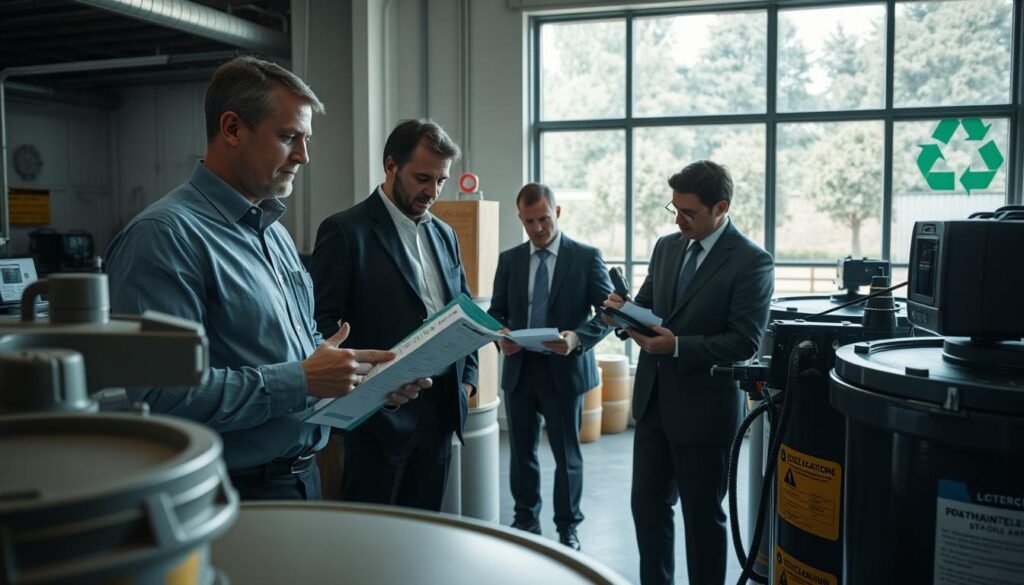
Running an oil collection business means following strict rules at the federal and state levels. We know that sticking to these rules keeps our business safe and protects the environment. These rules affect how certified used oil collectors and licensed waste oil haulers work all over the U.S.
Environmental agencies set rules for handling, storing, and disposing of used oil. These rules make sure used oil doesn’t pollute water or harm nature. Our commitment to these rules shows our dedication to doing business the right way.
Regulatory Bodies Involved
Many groups watch over oil collection activities at different levels. Knowing who makes these rules helps us stay accountable and open.
- The Environmental Protection Agency (EPA) sets national standards for used oil management
- State environmental departments enforce regulations specific to their jurisdictions
- Local waste management authorities monitor regional compliance
- The Department of Transportation regulates transportation of hazardous materials
Compliance with Environmental Laws
We follow the Resource Conservation and Recovery Act (RCRA) closely, which deals with hazardous waste. Licensed waste oil haulers need the right permits and paperwork for every job. Our places get checked often to make sure we follow storage and handling rules.
Keeping up with new rules helps us stay ahead. We spend on training to make sure our team knows the latest laws. This way, we avoid legal trouble and keep our communities safe.
| Regulatory Requirement | Our Commitment | Inspection Frequency |
|---|---|---|
| Proper Container Storage | Secondary containment systems installed | Quarterly |
| Documentation Records | Digital tracking of all collections | Monthly audits |
| Employee Training | Annual certification programs | Ongoing |
| Transportation Safety | Fleet compliance with DOT standards | Semi-annual |
Following the rules is more than just avoiding fines. It shows we care about the environment and keeping people safe. We think doing things right builds trust with our clients and the government.
Technology in Oil Collection
Modern oil collection companies are using new tech to change how they work. They’re moving to automation and digital tools. This makes their work faster, more precise, and better for the planet.
By adopting these new methods, companies can track their work better. They can serve their customers well and protect the environment too.
Impact of Automation and Modern Techniques
Automation has changed the game for oil collection companies. Robotic systems and smart machines now do tasks that needed many hands before. These tools work non-stop, making collection quicker and less prone to errors.
Modern collection methods bring big benefits to the industry:
- Collection time is now hours, not days
- Less money spent on labor and equipment
- Less spills and safety risks
- Better quality control
- Smaller carbon footprint from efficient routes
Companies using these methods collect more oil while saving money. This leads to better service for customers and helps the environment.
Data Management Systems
Smart data systems track every step of oil collection. These platforms show how much oil is being collected in real time. They help plan the best routes for pickup trucks.
Workers can see where oil needs to be picked up. They can plan their day without wasting time or fuel.
Key benefits of modern data systems include:
- Real-time location tracking of collection vehicles
- Automatic alerts when containers reach full capacity
- Detailed reports on collection amounts and trends
- Route optimization to reduce travel distance
- Customer history and service schedules stored safely
These systems give companies the power to work smarter. With accurate data, managers can make better decisions. They can reduce waste and improve service quality.
The result is a more efficient operation. It benefits everyone involved.
Customization of Services for Clients
Every restaurant has its own needs. Some are busy during peak hours, while others have specific schedules. A top oil collection company knows this and tailors its services. They understand that a one-size-fits-all approach doesn’t work in today’s market.
Custom solutions in commercial kitchen oil pickup services help restaurant owners a lot. They get schedules that fit their operations, not the other way around.
Importance of Tailored Solutions
Customization meets the unique needs of different places. A busy downtown restaurant might need pickups during lunch and dinner. A catering business might want collections early in the morning. Weekend-only places have different needs than those open every day.
Our approach to commercial kitchen oil pickup services includes:
- Assessing individual kitchen layouts and storage capacity
- Determining optimal pickup frequencies based on usage rates
- Scheduling collections around business hours to minimize disruption
- Providing appropriate container sizes for specific volume needs
- Adjusting service timing during seasonal demand fluctuations
Case Studies on Customization
A downtown franchise restaurant had trouble with standard weekly pickups. They disrupted lunch prep. We changed their schedule to early morning collections three times a week. This solved their problem and improved their kitchen’s efficiency.
Another client had multiple locations needing coordinated scheduling. We created a system for different pickup frequencies for each restaurant. This made them happy and helped us too.
| Business Type | Collection Frequency | Preferred Time | Primary Benefit |
|---|---|---|---|
| High-Volume Restaurant | 3-4 times weekly | Early morning | Uninterrupted service |
| Catering Company | 2 times weekly | Before 6 AM | Prep time protected |
| Weekend-Only Venue | 1-2 times weekly | Monday morning | Cost efficiency |
| Multi-Location Chain | Varies by site | Coordinated visits | Streamlined management |
Customization shows our commitment to understanding your business. We believe in building relationships where your success is key to how we serve you.
Community Engagement and Corporate Responsibility
Outstanding oil collection companies do more than just pick up used oil. We believe in corporate responsibility to build trust and strengthen our relationships. By engaging in our communities, we make a positive impact that benefits everyone.
Role in Local Communities
We support environmental education and sponsor clean-up initiatives in local communities. Our commitment shows we care about more than profit. We work with schools and local groups to teach about proper oil disposal and environmental protection.
Our team members volunteer to help local groups achieve their environmental goals. We also donate to community centers and support youth programs focused on environmental awareness.
Initiatives for Environmental Conservation
We lead in eco-friendly oil recycling programs to keep harmful substances out of landfills and waterways. Our conservation efforts include:
- Supporting habitat restoration projects with environmental groups
- Funding research on sustainable waste management
- Organizing community oil collection events to prevent illegal dumping
- Creating educational materials about environmental protection
Environmental stewardship is not just our business—it is our responsibility to future generations.
Investing in conservation shows our commitment to protecting natural resources. Our eco-friendly oil recycling programs set industry standards and encourage others to do better. This dedication attracts customers who value responsible businesses.
Challenges Faced by Oil Collection Companies
The oil collection industry faces big challenges that need smart planning and quick changes. We deal with unpredictable markets, changing rules, and tough competition. Knowing these challenges helps us build strong business plans. Companies all over the country face the same issues, needing to stay alert and creative to keep going.
Economic Fluctuations and Environmental Changes
Market ups and downs affect our prices and profits a lot. Oil prices change based on global demand and supply. When crude oil prices go down, waste oil values drop fast.
Environmental rules change often at the federal and state levels. We need to keep our equipment and staff up to date to follow these rules. This costs us money, especially when oil prices are low too.
Climate change makes our work unpredictable. Bad weather can mess up our schedules and routes. We adjust our plans to handle these changes.
Competition in the Market
Our industry is very competitive, with many providers. New companies come in with low prices.
- Old competitors grow their areas
- Price battles cut into profits
- Keeping customers loyal is hard
- Investing in tech costs more
We stand out by offering better service and being reliable. Building strong bonds with our customers is key to success. Our dedication to quality helps us stay ahead in a tough market.
“Success in oil collection requires balancing operational costs with service excellence while navigating regulatory demands.”
To stay on top, we must always get better and think ahead in this tough field.
How to Choose the Right Oil Collection Company
Finding the right partner for oil disposal is crucial. Your business needs reliable services that fit your needs. We’ve made a guide to help you choose with confidence.
The best company will be open about their work, costs, and safety. They should care about your business and follow all rules. Taking your time to pick the right one will save you trouble later.
Factors to Consider
Look at these important points when choosing oil collection services:
- Licensing and certifications from state and federal agencies
- Years of experience in the industry
- Insurance coverage and liability protection
- Equipment quality and maintenance records
- Response time and scheduling flexibility
- Environmental compliance track record
- Service area coverage and availability
- Pricing transparency and contract terms
Questions to Ask Potential Providers
Get ready with these key questions for companies:
- What certifications do you hold from environmental protection agencies?
- How do you handle hazardous waste disposal?
- What safety training do your employees receive?
- Can you provide references from current clients?
- How do you price your services, and are there hidden fees?
- What happens if spills occur during collection?
- How quickly can you respond to emergency calls?
- Do you use automated systems for tracking and documentation?
Asking these questions helps you find companies that are reliable and protect your business.
Future Trends in Oil Collection
The oil collection industry is at a turning point. We’re seeing fast changes that will change how companies work and serve their customers. Knowing these changes helps us get ready for what’s next in this fast-changing field.
Our industry is changing because of new tech and shifting customer values. Companies that adapt fast will get ahead. Those who don’t risk being left behind in a tough market.
Emerging Technologies
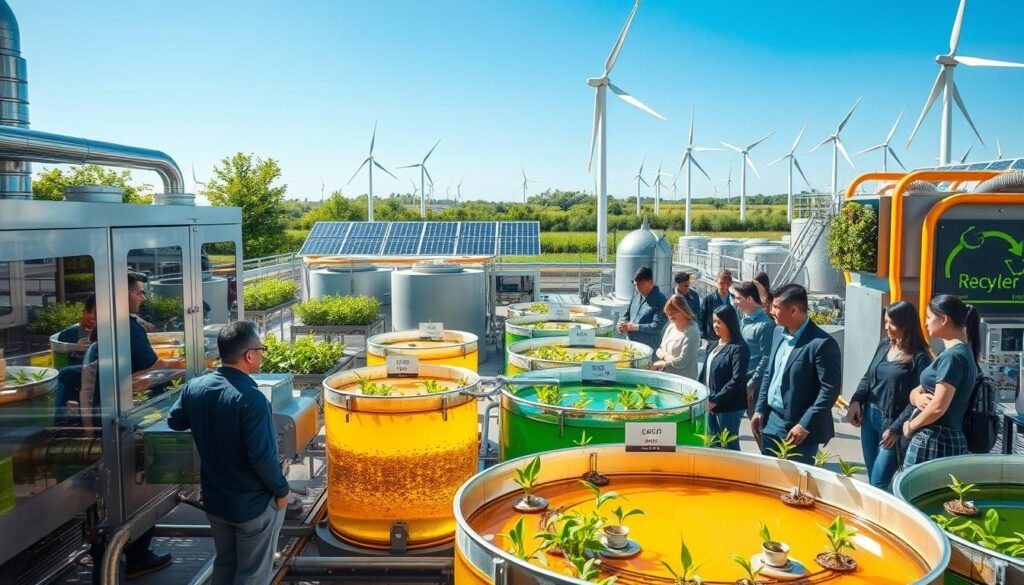
New tech is changing how we collect and process used oil. Modern gear lets us work faster and better than ever. Digital systems help us track shipments live and cut down on waste.
We’re seeing more automation and smart monitoring systems. These tools help our teams:
- Track oil quality and contamination levels automatically
- Schedule pickups with greater precision
- Reduce human error in handling procedures
- Lower operational costs significantly
Artificial intelligence and machine learning are key in our work. We use them to guess demand patterns and plan our routes better.
Shifts in Consumer Expectations
Today, customers expect more from oil collection services. They want companies that care about the planet and are open. Eco-friendly oil recycling programs are now expected, not just a nice-to-have.
We see clear changes in what people and businesses want:
- Environmental responsibility at every step
- Transparent reporting on recycling and reuse rates
- Digital access to collection records and documentation
- Sustainability certifications and compliance proof
Companies that focus on eco-friendly oil recycling will attract more clients. Customers now pick providers based on environmental impact, not just cost. This change is pushing our whole industry toward greener practices and better resource use.
How We Stand Out in the Industry
We are dedicated to quality and innovation. As a leading quality cooking oil recycling company, we set high standards. Our team provides reliable, efficient, and eco-friendly solutions to our clients.
Our Commitment to Excellence
We see excellence as a continuous journey, not a goal. Our commitment is evident in every step, from the first contact to project completion. We train our staff to handle oil collection with care and precision.
Our commercial kitchen oil pickup services meet your business needs. Restaurants and food processors need reliable services. We arrive on time, work efficiently, and leave your facility clean.
- Punctual service arrivals every single time
- Professional staff trained in safety protocols
- Transparent pricing with no hidden fees
- Real-time tracking of your oil collection
- Documentation and recycling certificates provided
Innovations We Embrace
We use modern technology in our work. Our equipment and data systems track collections accurately. Our fleet uses fuel-efficient vehicles to reduce our carbon footprint.
We always look for new methods and tools to improve our service. Our commitment to innovation means your business benefits from the latest in waste management and sustainability.
| Service Feature | Benefits to Your Business |
|---|---|
| Advanced Scheduling System | Flexible pickup times that fit your kitchen operations |
| Quality Assurance Checks | Ensures proper handling and recycling of all materials |
| Environmental Compliance | Full adherence to state and federal regulations |
| Customer Support Team | Available to answer questions and resolve issues quickly |
“We measure our success by the trust our clients place in us and the positive impact we create for the environment.”
Our reputation is built on trust and results. Businesses across the country choose us for their oil collection needs. We put your success at the heart of what we do.
Contact Us for More Information
Starting or growing your business needs solid support and expert advice. Our team is ready to help with your Airbnb questions. Reach out to us today to see how we can help you succeed in your rental property business.
Questions About the Airbnb Business
Want to know more about starting your Airbnb business? Our experts can guide you through every step. We can talk about pricing, managing guests, and listing best practices. Send a WhatsApp message at (917) 995-2995 to talk to our team now.
Ready to start your Airbnb business? Click here to begin: https://www.airbnb.com/rp/angelg31511?p=stay&s=67&unique_share_id=3c25b017-7512-4e24-a7ae-70c3d7488f05. We’re here to support you in achieving your business goals.
Your success is important to us. We’re here to help with any questions you have. Whether it’s about operations, making more money, or keeping guests happy, we’re committed to helping you reach your goals. Contact us through WhatsApp or visit the Airbnb link above to start your journey today.