Blog

a6t recycling 01

How A6T Recycling LLC Supports Local Restaurants

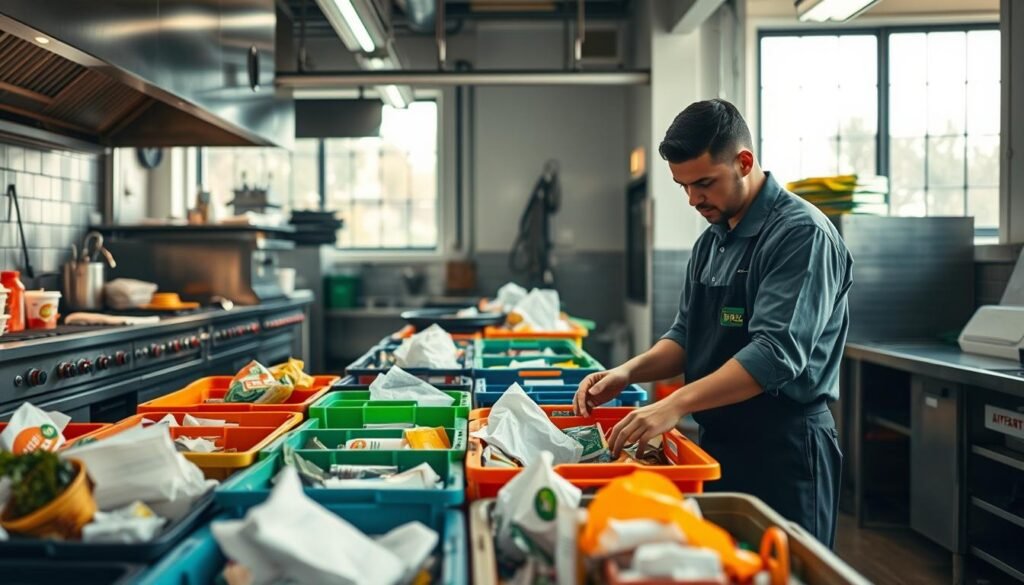
The food service industry in the U.S. creates about 11.3 million tons of waste each year. Most of this waste goes to landfills instead of being recycled or composted. This highlights the importance of restaurant waste management for our communities and planet. I started A6T Recycling LLC to help restaurants manage their waste. Restaurants face many challenges, like grease, food scraps, and packaging. My company helps local eateries turn these challenges into opportunities for growth and sustainability. I know the restaurant business well. I understand that every dollar matters and that being efficient is key. That’s why A6T Recycling LLC offers practical, cost-effective solutions that fit into your current operations. My approach is more than just recycling. I work with each restaurant to create custom waste management plans. This includes grease trap services and waste diversion programs. It ensures less waste goes to landfills and more stays in the local economy. How A6T Recycling LLC Supports Local Restaurants The foodservice sector is evolving quickly. Customers expect restaurants to care about the environment. Local communities value businesses that are sustainable. By working with me, your restaurant becomes part of a movement toward responsible business practices. Key Takeaways Understanding the Importance of Recycling in the Restaurant Industry The restaurant industry is under a lot of pressure to be more sustainable. Waste management is now a key focus, not just a small part of running a restaurant. Restaurants deal with many types of waste every day, like food scraps and used oil. In 2025, recycling food waste is crucial for restaurants in the U.S. The foodservice sector throws away about 11.4 million tons of food waste each year. Restaurants are a big part of this problem. This waste means lost money, missed chances for being green, and harm to the environment. Customers now want restaurants to be eco-friendly. This change means being green is not just nice, it’s expected. People look for restaurants that show they care about the planet by recycling and reducing waste. Recycling is good for business, not just the planet. Restaurants that recycle see real benefits: Many restaurants ignore waste like used cooking oil. This is both a problem and an opportunity. By focusing on these areas, restaurants can save money and help the environment. Switching to sustainable ways of running a restaurant needs practical solutions. Knowing the challenges and chances helps make real changes in your business. How A6T Recycling LLC Partners with Local Restaurants I know every restaurant is different. That’s why I focus on building strong A6T Recycling restaurant partnerships. I start by listening to your needs and understanding how your kitchen and dining areas work. I work closely with owners and managers to find solutions that fit your unique style. Local restaurant recycling programs work best when they’re made with input from those who use them. I assess your current waste streams and find ways to improve. This helps me understand your space, workflow, and goals. Establishing Collaborative Recycling Programs Building strong partnerships starts with a simple conversation. I meet with your team to learn about your daily operations and waste challenges. We identify which materials you generate most and where recycling opportunities exist. The success of local restaurant recycling programs depends on being practical and getting staff buy-in. I design collection systems that fit into your workflow without extra work. My goal is to make recycling as easy as your current waste disposal process. Tailored Waste Management Solutions Different restaurants need different solutions. A quick-service establishment has different needs than a fine dining restaurant. I customize collection schedules, container sizes, and service frequencies to match your business model. My flexible approach means your recycling program grows with your business. As your restaurant changes, your waste management strategy adapts accordingly. Restaurant Type Key Focus Areas Collection Frequency Typical Materials Quick-Service High-volume packaging reduction Daily to bi-weekly Cardboard, plastics, food waste Fine Dining Organic waste composting Daily Food scraps, organics, glass Casual Full-Service Balanced waste streams Twice weekly Mixed cardboard, organics, metals Bakery/Café Flour and ingredient packaging Weekly Paper, cardboard, organic materials Local restaurant recycling programs deliver real value when they’re built on understanding your business. I’ve seen restaurants reduce their waste management costs significantly by implementing customized programs. One partnership with a major food service provider showed significant operational benefits including lower waste management costs through efficient material diversion. “Our partnership has been a game-changer, providing significant operational benefits including lower waste management costs.” This isn’t about imposing a one-size-fits-all solution. My approach centers on collaboration. I work as your partner, not just your service provider. Your success with local restaurant recycling programs becomes my success. Reducing Carbon Footprint: A Priority for Local Eateries Local restaurants are under pressure to lessen their environmental harm. My work with them shows that reducing carbon emissions is more than just recycling. It’s about changing how they manage waste and use resources. I teach owners that eco-friendly practices benefit their business and the planet. The restaurant industry generates a lot of waste every day. Food scraps, packaging, and other materials add up fast. When they go to landfills, they release methane, speeding up climate change. My solutions help restaurants reduce waste and lower their carbon footprint.
How A6T Recycling LLC Supports Local Restaurants Read More »

Why A6T Recycling LLC Focuses on Premium Service

Americans throw away about 4.5 pounds of waste per person every day. This shows how important recycling services are for our nation. At A6T Recycling LLC, I believe recycling should get the same care as any other service. I started this company because I saw a need. Most recycling services were just about getting rid of waste. They didn’t care about quality or what customers thought. I wanted to do better. For me, premium service is essential. When businesses work with A6T Recycling LLC, they get more than just waste removal. They get a partner who values their time, cares for the environment, and shows real results. In this guide, I’ll share why A6T Recycling LLC values premium service. You’ll see how quality guides my decisions. You’ll learn how our services protect your business and our planet. Most importantly, you’ll see why choosing the right recycling partner matters. Why A6T Recycling LLC Focuses on Premium Service Key Takeaways   Premium service means treating each client’s waste management needs as unique and important A6T Recycling LLC integrates quality standards into every operational step Why A6T Recycling LLC focuses on premium service stems from a commitment to environmental responsibility Premium recycling services deliver cost savings and operational efficiency for businesses My approach prioritizes transparency, accountability, and measurable environmental impact Quality recycling reduces landfill waste and supports sustainable community practices Understanding A6T Recycling LLC’s Commitment to Quality At A6T Recycling LLC, quality is at the heart of everything I do. It’s not just about picking up and sorting waste. I focus on handling materials with care, processing them efficiently, and shipping them reliably. This approach ensures value for every client. My goal is to build strong, lasting relationships. These are based on trust and a shared commitment to the environment. Working with me means you get a partner who cares about your success and the planet’s well-being. Our Mission Statement I founded A6T Recycling LLC with a clear mission. It’s to offer top-notch recycling services. This includes responsible handling, innovative processing, and reliable delivery. My aim is to turn waste into valuable resources while protecting our environment. Success for me is not just about making money. It’s about making a positive environmental impact and keeping clients happy. The A6T customer satisfaction commitment is at the core of what my team does. Core Values Our company is guided by five core values:   Integrity — We operate with honesty and transparency Environmental Stewardship — We protect natural resources in our operations Customer Focus — Your needs shape our services and support Innovation — We’re always looking to improve and adopt new technologies Accountability — We take responsibility for our results and maintain high standards Core Value How It Shows in Service Client Benefit Integrity Honest pricing and transparent processes Clear communication and fair dealing Environmental Stewardship Sustainable disposal methods and eco-friendly practices Peace of mind knowing materials are handled responsibly Customer Focus Tailored solutions and responsive support Services designed specifically for your needs Innovation State-of-the-art equipment and modern techniques Access to cutting-edge recycling technology Accountability Regular quality checks and performance tracking Reliable, consistent service delivery These values guide our actions. The quality standards at A6T Recycling reflect my dedication to excellence. I ensure my team is well-trained to uphold these values. Listening to feedback and improving continuously is part of our commitment to customer satisfaction. Choosing A6T Recycling means more than just recycling services. You get a partner who values integrity, cares for the environment, and puts your satisfaction first at every step. The Importance of Premium Service in Recycling

Why A6T Recycling LLC Focuses on Premium Service Read More »

The Hidden Problems With Poor Oil Collection Companies

In 2023, the global oil waste management market hit $74.09 billion USD. By 2031, it’s expected to soar to $139.08 billion USD. Yet, a shocking truth is hidden: less than 15% of used oil in some markets is properly re-refined. This gap shows a serious problem affecting thousands of businesses daily. I’ve studied the oil collection services sector for years. My research reveals that poor oil collection companies pose unseen dangers. These dangers impact environmental safety, legal compliance, and financial stability. The risks are much higher than most realize. A single liter of oil not disposed of correctly can pollute up to one million liters of water. Legal fines for violations can be in the millions of dollars. These are not minor issues. They are serious threats to your business that need your immediate attention. Whether you run a commercial kitchen, industrial facility, or restaurant chain, knowing the dangers of poor oil collection is crucial. The problems with poor oil collection affect every part of your business. This guide will help you spot warning signs, understand regulations, and avoid economic losses by choosing the right partner. View origi The Hidden Problems With Poor Oil Collection Companies In this article, I’ll share insights from global data and regulations. My aim is to help you make smart choices about your waste oil management. You’ll learn how to spot red flags, follow compliance rules, and safeguard your finances. If you have questions on these topics, email me at info@sociosmatrix.com. I’m here to guide you through the complex world of oil collection services. Key Takeaways Understanding the Role of Oil Collection Companies Oil collection companies are key players between businesses with used oil and recycling facilities. They do more than just pick up oil. They play a big role in keeping our environment safe. They help prevent soil pollution, protect our water, and make sure businesses follow the law. Without proper oil collection, big problems arise. Businesses face fines, lawsuits, and harm to their reputation. It’s a serious issue for everyone involved. What Are Oil Collection Companies? These companies focus on safely collecting, moving, and processing used oil. They work with: Failures in oil collection can happen if companies don’t have the right stuff. Choosing a good provider is crucial for your business’s health. Why Oil Collection is Necessary Professional recycling can turn up to 70 percent of waste oil into new base oils. These oils are used to make top-notch lubricants. They also fuel cement factories and help the steel industry. I see oil collection as vital for three main reasons: Knowing their importance shows why picking the right partner is so important. It’s the difference between doing the right thing and causing harm. Identifying Poor Oil Collection Practices Spotting bad oil collection services is key to protecting your business. Bad providers often ignore safety, follow environmental laws, and skip important steps. Spotting these issues early can save you money and keep your place legal. Knowing the signs helps you find good partners and avoid bad ones. Common Signs of Poor Service One big sign of trouble is when service times are always changing. If a company misses appointments or changes times without telling you, it’s a problem. I’ve seen that bad service often means broken equipment, like leaking trucks or old systems. Bad communication is another sign. If a company doesn’t call back fast, has poor customer service, or can’t answer simple questions, they might be cutting corners. How to Spot Red Flags Not having the right documents is a big warning sign. Good oil collectors give you detailed records for every pickup. If a company can’t or won’t show you these documents, they might be breaking the law. Being offered too much money for used oil is also a red flag. This usually means they’re selling to the wrong people or burning oil illegally instead of recycling it. Red Flag Indicator What It Means Risk Level Missing compliance documentation Company may operate without proper licensing or permits High Expired certifications Services don’t meet current regulatory standards High No EPA identification number Unauthorized operator avoiding federal oversight High Equipment in poor condition Safety hazards during collection and transport Medium Inconsistent scheduling Operational disorganization and unreliability Medium Absent safety protocols No spill containment or emergency procedures

The Hidden Problems With Poor Oil Collection Companies Read More »

Positive ethnic woman wearing headscarf showing glass bottles of organic olive or sunflower oil while cooking in modern kitchen

How Used Cooking Oil Recycling Supports Renewable Energy

The United States produces over 3 billion gallons of used cooking oil every year. This huge amount comes from restaurants, food plants, and homes. Yet, most people don’t know this waste is a huge energy resource. I’ve looked into how cooking oil turns into renewable fuel. What was once a waste problem is now a key energy solution. Today, we convert kitchen grease into clean, strong fuel. The benefits for the environment are clear. Used cooking oil for planes cuts carbon emissions by 45% to 90%. Biodiesel from it has a carbon score of just 21.7 grams per megajoule. This is much lower than biodiesel from soybeans or rapeseed. My interest in this topic comes from seeing its real-world effects. Recycling used cooking oil does more than just make fuel. It also protects the environment, boosts energy independence, and fights climate change. In the next parts, I’ll dive into all aspects of this journey. How Used Cooking Oil Recycling Supports Renewable Energy Key Takeaways Understanding Used Cooking Oil Recycling Used cooking oil is a big byproduct of cooking that many overlook. When we cook, oil is key for flavor and texture. But, only about 30% of the oil is absorbed by food. This means 70% is waste oil that needs to be disposed of correctly. This waste oil comes from kitchens at home, restaurants, and food factories. Improper disposal harms our environment and natural resources. What is Used Cooking Oil? Used cooking oil is vegetable oils and animal fats used for cooking. It includes oil from deep fryers and sauté pans. As it cooks, it absorbs food and moisture, becoming darker and thicker. Waste oil comes from many places: The Importance of Recycling Recycling used cooking oil is crucial for the environment and infrastructure. Pouring oil down drains clogs sewers, costing cities millions. It also leads to sewage overflows that pollute waterways. Recycling oil also stops pollution in landfills. Oil in landfills contaminates soil and water, harming ecosystems and drinking water. Decomposing oil releases methane, a potent greenhouse gas. For commercial kitchens, recycling oil is key. It turns waste into renewable fuel, reducing pollution and fossil fuel use. This approach is essential for sustainability. “Every gallon of used cooking oil recycled represents one gallon of environmental damage prevented and one step toward renewable energy independence.” Recycling is vital for our future. It prevents damage, protects water, cuts emissions, and creates clean energy. Both individuals and businesses must act to ensure a sustainable world. The Process of Recycling Cooking Oil Recycling used cooking oil is a key step in turning waste into valuable resources. Let’s explore each stage of this process. From collection to final conversion, each step is crucial for renewable energy and less environmental harm. Knowing how waste is converted into energy shows us the importance of recycling. Collection Methods The first step is collecting used oil from places like restaurants and homes. Commercial places often work with recycling companies. These companies provide special containers to keep the oil clean. These services pick up the oil regularly and replace the containers. People at home can drop off their oil at local centers or community events. Treatment and Filtering Processes After collection, the oil goes to recycling facilities. Here, the conversion to energy starts. Let’s look at the steps to prepare the oil for its next use. The first step is initial filtration to get rid of food bits and debris. Then, the oil is heated to remove moisture. After that, it goes through several purification steps to make it ready for further processing. Treatment Stage Purpose Result Initial Filtration Remove food particles and debris Cleaner oil Heating Process Eliminate water content Dry feedstock Purification Stages Remove contaminants Clean, refined oil Final Products from Recycling The recycling of cooking oil creates many valuable products. It turns used oil into biodiesel and renewable diesel. These fuels power vehicles and equipment. Recycling also makes byproducts like glycerin for soaps and cosmetics. Animal feed and industrial lubricants are also made. This shows how nothing is wasted in the recycling process. Every gallon of used cooking oil recycled brings value. Understanding this process shows why recycling is important for our communities and the environment. Environmental Benefits of Recycling Used Cooking Oil Recycling used cooking oil has big benefits for our planet. It helps reduce waste, cut down on emissions, and creates clean energy. This simple action makes a big difference for our environment. Used cooking oil in landfills breaks down and releases methane. This gas is 25 times worse than carbon dioxide. Recycling stops this methane release and helps landfills last longer. Reducing Waste in Landfills Recycling programs keep a lot of oil out of landfills every year. Each ton of oil not sent to landfills means less methane and less pollution. The benefits of recycling include:

How Used Cooking Oil Recycling Supports Renewable Energy Read More »

Where Waste Becomes Value — The A6T Story

American industries dump about 7.6 billion tons of waste yearly. Most of it goes to landfills, wasting space and harming the environment. But A6T has found a way to turn this waste into something valuable. This change is a big deal for how we view industrial byproducts. It shows a new way of thinking about waste. I got interested in waste management after seeing the huge waste at factories. The old way saw waste as a problem to get rid of. But A6T changed that. They saw waste as a chance to make money and fix the environment at the same time. The idea is simple but powerful. Waste isn’t useless. It’s just in the wrong place. Companies like Valmet have shown this works in making pulp, paper, and energy. They use waste to make new materials and energy. A6T takes it further. Edit Full screen View original Delete Where Waste Becomes Value — The A6T Story Working with A6T, I learned that solving waste problems needs new tech and vision. They use the latest tech to help businesses save money, reduce harm to the environment, and strengthen communities. This isn’t just about saving the planet. It’s also about helping American businesses stay ahead. Key Takeaways Introduction to A6T and Its Mission A6T leads in industrial innovation, aiming to change how businesses see waste. My journey showed me that what’s thrown away today could be valuable tomorrow. A6T works to make sustainable paths for industries in the U.S. It connects environmental care with economic growth. This section will introduce A6T’s main goals and why turning waste into value is crucial today. Understanding A6T’s Objectives A6T has clear goals to change how industries work. It wants to cut down on landfills and create circular economies where waste is not wasted. Working with A6T showed me how their goals match what businesses need today. The main goals are: A6T shows that caring for the environment and making money can go hand in hand. When industries adopt these practices, they get ahead. Companies like those using Valmet’s systems show how every byproduct can be useful. A6T applies these principles across different sectors, proving that optimizing resources brings real value. The Importance of Waste Transformation Waste transformation is no longer optional in today’s industries. Governments are setting stricter environmental rules. Consumers want companies to show they care about the planet. With resources getting scarcer, businesses must rethink how they handle materials. My experience shows that modern industrial facilities face big challenges: Waste transformation is key for businesses to stay competitive. A6T’s approach shows that embracing waste-to-value transformation brings both economic and environmental benefits. Companies that make this shift become leaders in their fields. “In today’s industrial world, waste is simply a resource in the wrong place. A6T helps companies find the right place for it.” The movement to transform waste shows a big change in how we see industrial processes. A6T helps businesses turn challenges into chances by optimizing resources and focusing on sustainability. The Concept of Waste to Value Turning waste into valuable resources is a big change for industries. What was once seen as trash is now viewed as a valuable asset. This change goes beyond recycling. It involves complex processes that turn materials into new products, energy, and chemicals. I want to dive into how this works and its origins. What Does Waste to Value Mean? Waste to value means turning industrial byproducts into useful materials and energy. It’s not just about getting rid of waste. It’s about finding new uses for it. Companies use this approach to make money and reduce harm to the environment. This idea includes several key approaches: Industries like pulp and paper have led in these processes for decades. They recover valuable compounds from waste and turn biomass into energy for their plants. Historical Context of Waste Utilization Waste utilization isn’t new. Since the early industrial era, manufacturers have seen the benefits of using byproducts. The pulp and paper industry was an early leader in this area. Here are some key milestones in waste utilization history: Time Period Development Impact on Industry Early 1900s Basic chemical recovery from black liquor in pulp mills Reduced disposal costs significantly 1960s-1970s Advanced waste valorization processes implemented Created integrated zero-waste production models 1990s-2000s Biomass energy generation from mill residues Mills became self-sufficient in energy needs

Where Waste Becomes Value — The A6T Story Read More »