
Running a restaurant is all about details. One often missed area is oil collection and waste management. Ignoring common service gaps in oil collection can cause big problems in your kitchen.
Your kitchen produces used cooking oil every day. It needs to be handled and disposed of correctly. When oil collection gaps occur, they pose safety risks to your staff and can damage your equipment.
We’ve seen restaurants face unexpected costs and disruptions because of bad oil management. These issues hurt more than just your wallet. They also harm your reputation and ability to serve customers well.
We aim to help you spot where your oil collection might be lacking. Knowing these gaps lets you improve your methods. Better oil collection means cleaner kitchens and more efficient work.
Key Takeaways
- Overlooked oil collection gaps can disrupt daily kitchen operations and increase costs
- Proper waste management protects your equipment and extends its lifespan
- Staff training plays a critical role in effective oil collection practices
- Regular maintenance prevents emergency repairs and downtime
- Compliance with local regulations protects your business from fines
- Addressing gaps early saves money in the long run
Introduction to Oil Collection Challenges
Running a restaurant is all about the details. One often overlooked area is managing used cooking oil. It’s not just about cleanliness. It impacts kitchen safety, customer satisfaction, and following the law.
When oil collection systems fail, problems spread fast. Restaurant owners often face unexpected challenges. Knowing these challenges helps avoid costly mistakes and keeps operations smooth.
Importance of Efficient Oil Collection
Efficient oil collection keeps your kitchen safe and clean. Oil buildup or spills are safety hazards. They can cause accidents and attract pests.
Proper oil management also saves money. Restaurants that ignore oil collection face:
- Health code violations and fines
- Expensive cleanup from spills
- Lost revenue from downtime
- Expensive pest treatments
- Damage to reputation
Overview of Common Gaps
Many restaurants struggle with oil collection. Staff may not know how to dispose of oil properly. Maintenance is often neglected. Vendors’ service can be inconsistent. These issues can harm your business.
Successful restaurants recognize these challenges early. By fixing service gaps, you protect your investment. You also create a safer place for everyone.
Understanding Oil Collection Systems
Restaurant managers must know how oil collection systems work to avoid big problems. Different kitchens need different equipment for oil waste. The size of your kitchen, how much you fry, and the space you have all play a role in choosing the right system. Getting the right setup from the start saves time and money.
Choosing the right equipment is crucial because the wrong choice can cause problems. Grease trap service failures often happen when systems don’t fit your kitchen’s needs. When this happens, you face plumbing backups and emergency repairs that disrupt your service.
Types of Oil Collection Systems
We offer several system options for restaurants. Your choice depends on your kitchen’s space, oil volume, and local rules. Here are the main types:
- Interior storage tanks – Installed inside kitchens, good for smaller spaces with limited outside room
- Exterior rendering bins – Large containers placed outside, ideal for high-volume operations
- Underground grease traps – Buried below ground, saves space while managing waste
- Passive grease interceptors – Simple, affordable option for small restaurants
- Automatic grease removal units – Advanced systems that separate grease automatically
Factors Influencing Oil Collection
Several key factors shape your oil collection needs and performance:
| Factor | Impact on System | Key Consideration |
|---|---|---|
| Daily Oil Volume | Determines tank capacity needed | High-volume fryers need larger systems |
| Kitchen Layout | Affects equipment placement and installation | Limited space may require creative solutions |
| Local Regulations | Dictates mandatory system types | Some areas require specific equipment standards |
| Budget Constraints | Limits initial investment options | Balance cost with long-term reliability |
| Staff Training Level | Affects maintenance and proper use | Complex systems need well-trained teams |
| Disposal Access | Determines collection frequency needs | Remote locations may need more storage |
We recommend carefully evaluating each factor before buying equipment. Your kitchen’s unique situation requires a customized approach. Taking time to plan prevents future problems and reduces operational costs significantly.
Identify Common Service Gaps
Spotting operational weaknesses is key to keeping your kitchen’s oil disposal in check. Restaurants often miss important gaps that cause spills and break environmental laws. By finding these gaps, you can fix them and avoid fines and downtime.
Service gaps come from many places in your kitchen. Things like staff changes, missing procedures, and poor communication can weaken your oil management. Knowing where these gaps are lets you build a stronger, more sustainable kitchen.
Inadequate Training for Staff
One big challenge is making sure all staff knows how to handle and dispose of oil right. Without regular training, new team members might not follow the proper steps.
- Staff members trained on safety protocols for handling hot oil
- Clear instructions on proper container labeling and storage
- Documentation of disposal procedures for each shift
- Regular refresher training sessions for all kitchen personnel
Lack of Regular Maintenance
Oil systems need regular upkeep to work well. When you skip maintenance, things break down, and your kitchen gets less efficient. Catching problems early saves money and time.
| Maintenance Task | Frequency | Responsibility |
|---|---|---|
| Filter replacement in oil systems | Every 2-3 weeks | Kitchen manager |
| Container inspection for leaks | Weekly | All staff members |
| Equipment cleaning and sanitization | Daily | Line cooks |
| Professional system inspection | Quarterly | Vendor service technician |
Inefficient Waste Disposal Practices
Bad waste disposal is bad for the environment and can get you in trouble with the law. Without clear procedures, staff might use the wrong methods.
- Establishing a designated collection area for used cooking oil
- Using sealed, labeled containers that prevent spills and contamination
- Scheduling regular pickups with licensed waste management vendors
- Maintaining detailed records of all oil disposal activities
- Training staff on recognizing when containers are full and need replacement
Fixing these gaps makes your kitchen more efficient and eco-friendly. When everyone knows their role, equipment works right, and waste is disposed of properly, your kitchen runs better. Taking steps now helps avoid problems later.
The Impact of Service Gaps on Operations
When restaurants don’t collect oil properly, it affects everything. Not handling oil well leads to big problems. These issues hurt your business and the environment. Knowing this helps owners see why good oil collection is key.
Financial Implications
Bad oil management costs you money. Restaurant oil recycling issues lead to unexpected bills.
Here are some costs:
- Emergency cleaning services after spills or overflows
- Replacement of damaged equipment and pipes
- Fines from regulatory violations and health inspections
- Higher insurance premiums due to safety incidents
- Lost business from temporary closures
A single drainage backup can cost between $1,000 and $5,000 to fix. Regular checks prevent these big costs.
Environmental Consequences
Poor oil collection also harms the environment. Cooking oil that’s not disposed of right gets into water and hurts nature.
Environmental impacts include:
| Environmental Issue | Description | Severity Level |
|---|---|---|
| Water Contamination | Oil enters groundwater and municipal systems | High |
| Soil Degradation | Leaked oil damages soil composition | High |
| Marine Life Impact | Oil buildup harms aquatic ecosystems | Critical |
| Air Quality | Fumes from improper storage affect local air | Medium |
We know that fixing these issues early saves a lot of money. It’s better than dealing with big environmental cleanup costs later. Taking action now helps your business and the community.
Importance of Compliance with Regulations
Running a restaurant comes with many rules. One area often overlooked is proper grease and oil management. Following regulations isn’t just about avoiding fines. It’s about protecting your business, community, and the environment.
Many restaurant owners face penalties for not following collection and disposal guidelines. Inadequate grease collection can lead to problems with health and environmental agencies. These violations cost money and harm your restaurant’s reputation.
Industry Standards for Oil Collection
The National Restaurant Association and EPA have clear guidelines for oil collection. These standards tell us how often to collect grease, how to store it safely, and how to dispose of it properly. Collection frequency depends on your restaurant’s size and cooking volume.
We must follow these standards to avoid violating them. Regular collection prevents sewer system blockages and environmental damage. It also protects our pipes, equipment, and local waterways.
- Schedule weekly collection if you produce more than 50 gallons weekly
- Use certified collection containers that meet safety codes
- Keep detailed records of all collection dates
- Work with licensed waste management companies
- Train staff on proper grease storage procedures
Local Regulations to Consider
Each city and county has specific rules for oil disposal. Your health department sets collection frequency based on local conditions. Some areas have stricter rules due to aging sewer systems or water quality concerns.
| Regulation Type | Description | Your Action |
|---|---|---|
| Collection Frequency | How often grease must be removed from your restaurant | Contact your local health department to confirm required schedule |
| Container Requirements | Standards for grease storage containers and size limits | Purchase only approved containers from licensed suppliers |
| Documentation | Record-keeping requirements for collection and disposal | Maintain logs showing collection dates and disposal locations |
| Fines and Penalties | Consequences for non-compliance violations | Review your municipality’s penalty schedule and budget accordingly |
| Hauler Licensing | Requirements for waste collection companies you hire | Verify that your vendor holds current permits and certifications |
We recommend calling your local environmental health department to get a written copy of all requirements. Some areas require monthly inspections. Others have quarterly or annual checks. Knowing these rules keeps us safe from violations and expensive fines.
Building a strong compliance program takes effort. Start by learning what your area requires. Then create systems to meet those standards consistently. This protects your business and shows customers that we operate responsibly.
Assessing Your Current Oil Collection Practices
To improve our oil collection systems, we first need to understand our current practices. A detailed audit of our waste management workflows shows us the real issues. We must look at how our vendors perform, find bottlenecks, and identify delays in cooking oil pickup.
By evaluating our current practices, we can see what works and what doesn’t. We can spot patterns in our waste disposal and see when external factors disrupt us.
Conducting a Needs Assessment
A needs assessment looks at our oil collection system from start to finish. We examine how often we generate waste, where we store it, and how quickly it’s removed. Delays in cooking oil pickup can cause storage problems, slowing down our kitchen.
We should document the following details:
- Daily volume of used cooking oil we produce
- Current storage capacity and container types
- Pickup frequency and actual arrival times
- Space constraints in our facility
- Equipment condition and maintenance history
This information helps us understand our true operational needs and identify where problems start.
Gathering Staff Feedback
Our kitchen staff sees challenges daily that management might miss. They work directly with oil collection equipment and understand the real difficulties. We should ask them specific questions about their experiences.
| Feedback Area | Questions to Ask | Expected Insights |
|---|---|---|
| Equipment Use | Is our current container easy to use and maintain? | Practical usability issues and safety concerns |
| Storage Problems | Do we have enough space for oil storage? | Space limitations affecting workflow |
| Pickup Reliability | How often do pickups happen on schedule? | Vendor performance and timing issues |
| Safety Concerns | What safety risks do you notice? | Hazards we need to address immediately |
| Waste Disposal | What makes disposal difficult or confusing? | Training gaps and process confusion |
We can gather this feedback through brief surveys, team meetings, or one-on-one conversations. Our employees often know the best solutions because they face the problems every shift. Their input reveals hidden inefficiencies that affect productivity.
By combining our detailed audit with direct staff input, we get a complete picture of our oil collection practices. This foundation helps us move forward with informed decisions about improvements and vendor relationships.
Strategies for Improving Oil Collection
Improving restaurant waste oil management needs a full plan. This includes teaching staff, taking care of equipment, and smart waste handling. Many restaurants face these challenges. But, making changes can greatly improve your operations.
We’ll share effective ways to cut down on mistakes, avoid expensive equipment failures, and foster a responsible kitchen culture.
Implementing Staff Training Programs
Your team is key to good oil collection. It’s vital to teach them how to handle oil correctly, follow safety rules, and keep storage containers clean. They should know how bad oil disposal can harm plumbing and equipment.
Training should include:
- Correct procedures for transferring used cooking oil
- Identification of contaminated oil that cannot be recycled
- Safety measures to prevent spills and injuries
- Documentation and record-keeping practices
Regular Maintenance Schedules
Preventive maintenance is crucial. Set up a weekly and monthly checklist for checking tanks, pipes, and backup systems. Catching small issues early can save a lot of money.
Keep records of:
- Tank cleaning and inspection dates
- Equipment servicing history
- Any issues discovered and corrected
- Vendor service visit documentation
Optimizing Waste Management Systems
Review your waste management setup to find ways to improve. Make sure collection containers are the right size, clearly marked, and easy to reach. Work with your oil collection vendor to set up pickup times that match your needs, avoiding overflow and safety risks.
Leveraging Technology in Oil Collection
Technology changes how restaurants handle used cooking oil. Modern systems give managers real-time data on oil levels and collection schedules. Digital tools help prevent overflows and reduce service disruptions.
By adopting these innovations, your restaurant moves from waiting for problems to predicting them before they happen.
Smart technology addresses UCO collection reliability problems by automating routine tasks. Your team gets alerts when containers reach full capacity. Pickups happen on time. Waste disposal becomes organized and efficient.
Smart Collection Systems
Smart collection systems use sensors to track oil levels automatically. These devices connect to cloud-based platforms that send notifications to managers and vendors. Your staff no longer needs to manually check containers.
Benefits of smart collection systems include:
- Real-time level monitoring in all containers
- Automatic alerts when oil reaches capacity
- Scheduled pickups based on actual demand
- Reduced overflow incidents and spills
- Better planning for busy service periods
Monitoring and Reporting Tools
Reporting tools give you detailed insights into your oil collection patterns. Dashboard displays show collection frequency, volume trends, and cost metrics. This data helps identify peak usage times and optimize your waste management budget.
| Feature | Traditional Method | Smart Technology |
|---|---|---|
| Oil Level Checks | Manual inspection multiple times daily | Automatic sensor monitoring 24/7 |
| Pickup Scheduling | Fixed weekly or biweekly pickups | On-demand pickups based on actual levels |
| Overflow Prevention | Reactive response to full containers | Proactive alerts before overflow occurs |
| Data Tracking | Paper records or basic spreadsheets | Comprehensive digital reports with analytics |
| Cost Control | Estimated expenses and unpredictable fees | Accurate usage data for budget planning |
Integrate these monitoring tools into your restaurant operations to gain actionable insights. You’ll understand consumption rates, identify waste patterns, and make informed decisions about collection frequency and vendor contracts.
Collaborating with Oil Collection Vendors
Finding the right oil collection partner is key for your restaurant’s waste management. A good vendor keeps your kitchen clean and meets health codes. Choosing a service provider is a big decision for your restaurant.
It’s about building trust and working together. Open communication and shared goals are important.

Quality vendors offer consistent, transparent, and high-quality support. This partnership protects your business and keeps operations smooth every day.
Choosing the Right Service Partner
Finding the perfect vendor takes time and thought. Look at several key factors:
- Years of experience in the restaurant industry
- Licenses and certifications that prove their credibility
- References from other restaurants in your area
- Availability for emergency pickups when needed
- Equipment that matches your restaurant’s size and needs
- Customer service ratings and response times
Ask about their safety record and training programs. Meet with at least three companies before deciding.
Evaluating Service Agreements
Your service agreement should be clear and protect your interests. Here’s what to review:
| Agreement Element | What to Check |
|---|---|
| Pickup Schedule | Frequency matches your oil volume and kitchen needs |
| Pricing Structure | No hidden fees and clear payment terms included |
| Liability Coverage | Vendor carries proper insurance for spills or damage |
| Compliance Standards | Agreement mentions EPA and local regulations |
| Service Guarantees | Response times for emergencies and problem resolution |
Ask about contract length and cancellation terms. A strong agreement protects both sides and ensures consistent waste management excellence.
Case Studies: Successful Oil Collection Improvements
Restaurants across the United States have found smart solutions to waste management challenges. These success stories show that effective oil collection practices benefit both operations and the environment. By looking at what industry leaders have done, we can find practical strategies for our own places.
Real-Life Examples of Effective Changes
Many restaurants have improved their waste oil disposal systems with better technology and staff training. Quick-service chains like Chipotle used automated oil collection tracking systems. This reduced spills by 40% in just six months.
Regional steakhouse groups found that regular maintenance schedules cut service interruptions in half. They also lowered disposal costs significantly.
A mid-sized Italian restaurant in Texas switched from manual collection to a smart monitoring system. Their team reported less physical strain and improved kitchen cleanliness. The investment paid off through reduced environmental fines and better efficiency.
Independent seafood restaurants in Florida partnered with vendors for staff education programs. These establishments saw waste reduction and higher recycling rates for used cooking oil.
Lessons Learned from Industry Leaders
Successful restaurants share common patterns in their improvement journeys:
- Staff training creates immediate safety improvements
- Scheduled maintenance prevents costly emergency repairs
- Technology investments reduce human error
- Strong vendor relationships ensure consistent service quality
- Regular compliance checks protect against violations
Industry leaders say that oil collection best practices need commitment from management and daily effort from kitchen staff. When restaurants make waste management a priority, they see results in weeks.
Financial Benefits of Addressing Service Gaps
Fixing oil collection problems in your restaurant is more than just a fix. It’s a smart move that boosts profits. By fixing service gaps in waste oil management, you cut costs. You also make money from recycled oil.
We’ll show you how smart practices save money and build success for your business.
Cost Savings from Efficient Practices
Efficient oil collection cuts expenses in several ways. Proper grease handling avoids emergency calls. These surprise visits are much more expensive than scheduled pickups.
Regular maintenance also prevents equipment breakdowns, saving on repairs.
Smart waste disposal practices lower disposal fees. Restaurants often pay extra for clogged pipes or damaged equipment. Recycled cooking oil has value. Some vendors pay for clean, quality oil.
By streamlining your collection process, you capture this revenue stream.
- Lower emergency service fees
- Reduced equipment repair costs
- Decreased disposal expenses
- Revenue from recycled oil sales
- Fewer penalty charges for violations
Long-Term Financial Planning
See waste management as an investment in your restaurant’s future. Planning ahead helps you budget better. Scheduled oil collection is cheaper than emergencies.
Proper systems protect your kitchen equipment, saving on replacements over time.
Following local regulations saves money. Health code violations bring fines that hurt your finances. Good oil collection keeps you compliant. Your reputation stays strong, and customers trust you.
| Practice | Annual Savings | Time to Break Even |
|---|---|---|
| Staff Training Program | $1,200 – $1,800 | 3-4 months |
| Regular Maintenance Schedule | $800 – $1,500 | 2-3 months |
| Recycled Oil Revenue | $500 – $2,000 | Ongoing benefit |
| Reduced Emergency Calls | $1,500 – $3,000 | 1-2 months |
Think of waste management as an investment, not an expense. Quality oil collection systems pay for themselves. Your restaurant’s sustainability and profitability improve together. Smart planning today creates financial health for years to come.
Future Trends in Oil Collection
The oil collection industry is rapidly evolving. New environmental rules and advancements in biofuel production are changing how restaurants handle used cooking oil. It’s crucial to stay updated to remain competitive and compliant. Preparing now puts us ahead of the curve.
Innovations on the Horizon
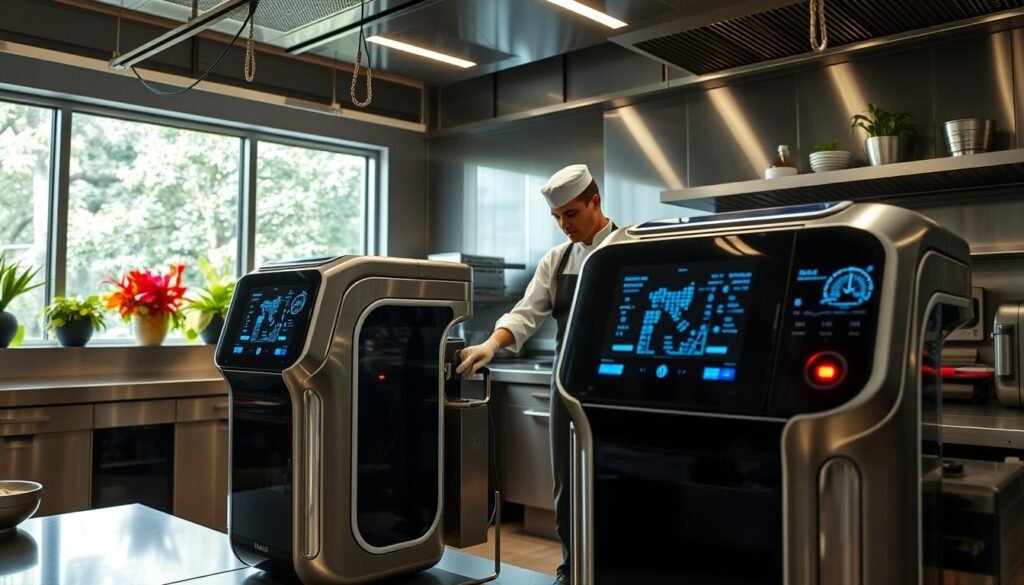
Exciting developments are set to change oil collection practices in the food service industry. Smart monitoring systems are becoming more affordable and easier to use. These systems track oil levels in real time and alert staff when collection is needed.
Biofuel technology is advancing quickly. Used cooking oil is now more valuable than ever. Companies are investing in converting waste oil into biodiesel and renewable energy more efficiently. This opens up new revenue opportunities for restaurants.
- Automated collection units that reduce manual handling
- IoT sensors that provide real-time tank monitoring
- Advanced filtration systems that improve oil quality
- Blockchain technology for waste tracking and transparency
Preparing for Market Changes
We should start preparing our operations now. Stay informed about upcoming regulations in your state and local area. Build relationships with vendors who invest in new technology. Train our staff on emerging systems and best practices.
Budget for equipment upgrades over the next two to three years. Evaluate your current oil collection processes and identify areas where new technology could help. By taking action today, we ensure our restaurants remain efficient and profitable as the industry evolves.
| Emerging Technology | Current Status | Expected Timeline |
|---|---|---|
| Smart Monitoring Systems | Available and growing in use | 2024-2025 |
| Advanced Biofuel Processing | Rapid development phase | 2025-2026 |
| Automated Collection Units | Early adoption stage | 2026-2027 |
| Blockchain Waste Tracking | Pilot programs launching | 2027-2028 |
The future of oil collection depends on our willingness to embrace change. Restaurants that adapt quickly will enjoy lower costs and better environmental outcomes. We encourage you to review your current practices and consider how new innovations might benefit your operation.
Conclusion: Taking Action on Service Gaps
Your restaurant’s success relies on good oil collection practices. We’ve looked at common gaps that slow many down. Now, it’s time to make real changes.
Begin by checking your oil collection system. Walk through your kitchen and ask important questions. Does your team follow the right steps? Are your containers and storage clean and safe? Do you follow local rules? Note what’s working and what’s not.
Call to Evaluate Current Practices
We suggest you meet with your team this week. Go over the training parts from this article. Check your maintenance logs and agreements with vendors. Also, contact local health departments to check if you’re following the rules. Set goals for the next 30, 60, and 90 days. Taking small steps now can avoid big problems later. It keeps your restaurant’s reputation, finances, and the environment safe.