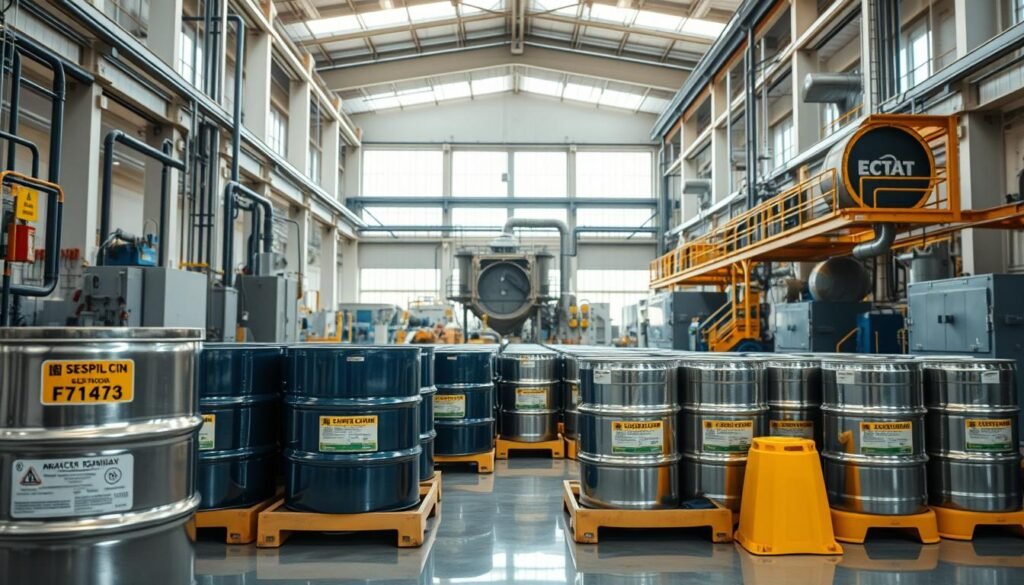
Keeping oil collection areas clean is key for any industrial site. It’s vital for a safe and efficient operation. Clean zones protect workers, equipment, and the environment.
Our industry must follow strict standards for oil collection spaces. We need to adhere to federal rules and best practices. Clean areas reduce risks and boost our operations’ efficiency.
Clean oil collection zones are crucial for a facility’s long-term success. They require constant attention and careful management. Our focus on cleanliness impacts safety, productivity, and community trust.
In this article, we’ll dive into why clean oil collection areas are so important. We’ll discuss the rules we must follow, the dangers of neglect, and the benefits of high standards. Our aim is to highlight how cleanliness protects everyone involved.
Key Takeaways
- Clean oil collection areas protect worker safety and environmental quality
- Federal regulations require strict standards for oil collection zone management
- Proper maintenance reduces operational costs and prevents expensive cleanup
- Clean facilities attract investment and build community confidence
- Regular inspections and staff training are essential for consistent cleanliness
- Technology and innovation improve monitoring and prevention of spills
- Strong record-keeping demonstrates compliance with all legal requirements
Understanding Oil Collection Areas
Oil collection areas are key at industrial sites in the U.S. They are where petroleum waste is gathered before being recycled or disposed of. Knowing how important clean oil collection areas are involves understanding their role, design, and rules. Keeping these areas clean helps protect our environment, workers, and communities from harm.
What Are Oil Collection Areas?
Oil collection areas are special zones in industrial sites. They are places where used lubricants and other oils are stored. These areas stop harmful materials from getting into the soil and water. They have strong linings and systems to catch spills.
Functions of Oil Collection Areas
Oil collection areas do several important jobs:
- They safely store used oils and waste.
- They prevent spills and leaks from harming the environment.
- They help sort different types of waste.
- They make recycling and disposal easier.
- They keep track of hazardous materials.
Key Regulations Governing Oil Collection
We follow strict rules for oil collection. The EPA and state agencies set these standards. Our facilities must pass regular checks to meet the Resource Conservation and Recovery Act (RCRA). These rules cover labeling, storage, and how to handle spills.
| Regulatory Requirement | Description | Compliance Standard |
|---|---|---|
| Secondary Containment | Protective barrier for spill prevention | 110% of largest tank volume |
| Labeling Standards | Clear identification of waste type | Hazard warnings required |
| Inspection Schedule | Regular facility assessments | Quarterly or as needed |
| Documentation | Record-keeping of all transactions | Maintained for three years minimum |
| Disposal Methods | Approved waste removal procedures | Licensed waste handlers only |
Following environmental rules keeps our business safe from big fines and legal trouble. Keeping oil collection areas clean is key to our success and caring for the environment in our industry.
Environmental Impact of Oil Collection
Oil collection areas face big environmental challenges if not managed well. Poor oil handling at these sites poses risks far beyond the immediate area. We know protecting our environment is a big job that needs constant effort and dedication.
Our commitment to sustainability means we act to prevent environmental damage early on. By focusing on protection strategies and responsible management, we lessen harm to ecosystems that communities depend on.
Oil Spills and Their Consequences
Oil spills are a major threat to environmental health. When spills happen, they pollute soil and get into groundwater, which people use for drinking and farming. A single spill can harm an area for years, needing costly cleanup and causing damage to plants and animals.
The effects of spills include:
- Soil contamination that stops crops from growing
- Groundwater pollution that affects drinking water sources
- Fish and wildlife deaths in polluted water systems
- Long-term damage to ecosystems that takes decades to recover
- Health issues for people living near polluted areas
Preventing oil spills is the best way to protect our natural resources. Preventive measures stop problems before they happen, which is better than cleaning up after damage occurs.
Sustainable Practices in Oil Management
We follow proper waste oil management to keep our operations safe for the environment. This includes collecting oil in secure containers, using secondary containment systems, and keeping detailed records of all materials handled.
Key sustainable practices include:
- Regular checks of storage containers for leaks or damage
- Installing spill containment systems around collection areas
- Training staff on safe handling procedures
- Recycling or properly disposing of used oil through licensed facilities
- Monitoring groundwater quality near collection sites
Sustainable oil management protects both current operations and future generations. We aim to ensure our collection areas meet the highest environmental standards while keeping operations efficient.
Health Risks Associated with Unclean Areas
Unclean oil collection areas pose serious health risks to workers and communities. Not keeping these areas clean exposes people to harmful substances. It’s crucial to understand these dangers to ensure safer workplaces and protect public health.
Air Quality Concerns
Unclean oil collection areas release harmful gases into the air. These gases come from bad storage and old equipment. Breathing them can lead to serious respiratory issues.
Our employees face real dangers from poor air quality:
- Respiratory irritation and coughing
- Headaches and dizziness
- Long-term lung damage
- Increased asthma symptoms
We must enforce strict hazardous waste storage practices to prevent air quality degradation. Regular monitoring and proper ventilation systems protect everyone at our sites.
Water Contamination Risks
Runoff from poorly maintained oil collection areas can contaminate groundwater and municipal water supplies. This threatens the safety of drinking water for thousands of people in our communities.
Key water contamination sources include:
- Leaking storage containers
- Spilled oils and chemicals
- Inadequate drainage systems
- Erosion of containment barriers
We recognize that water contamination remains a critical concern for environmental protection. Rigorous site management, constant vigilance, and proper maintenance eliminate these dangerous risks. Our responsibility extends beyond our operations to protect the health of everyone who depends on clean water.
Benefits of Clean Oil Collection Areas
Keeping oil collection areas clean is key to our success. It keeps our workers safe and boosts our performance. Clean spaces mean fewer accidents, lower costs, and more productivity.
We’re committed to excellence and responsible business. This shows in how we care for our facilities.
Enhanced Operational Efficiency
Clean areas help us meet our goals. Spills and accidents slow us down. But with safety standards, our teams work better and faster.
They spend less time on emergencies and more on real work. This makes our operations smoother.
Our operations see real benefits:
- Less equipment breakdowns from dirt
- Quicker processing without delays
- Workers are safer and more focused
- Better tracking of our inventory
- Less interruptions in our daily work
Cost Savings in Environmental Cleanup
Clean areas save us money on cleanup. Cleanup costs can be in the thousands. We avoid these costs by keeping things clean.
Our savings are clear:
| Cost Category | Impact of Clean Areas |
|---|---|
| Emergency cleanup operations | Eliminated or greatly reduced |
| Environmental fines and penalties | Avoided through compliance |
| Equipment replacement | Extended equipment lifespan |
| Regulatory documentation | Simplified reporting processes |
Choosing cleanliness is a smart move. It saves us money and keeps us environmentally responsible.
Best Practices for Maintaining Clean Areas
Keeping oil collection areas clean is a big job. It needs regular care and attention. We know that keeping these areas clean is key to safe operations and following environmental rules. By following the best practices, facilities can lower risks, protect workers, and keep communities safe.
Our method includes regular checks, prevention strategies, and training for staff. This creates a clean and safe environment.
Regular Inspections and Maintenance
We do regular checks to find problems early. These inspections help us spot leaks, cracks, and wear on equipment. This prevents contamination.
We also schedule maintenance visits. This keeps equipment working well and makes collection systems last longer.
- Weekly visual inspections of collection tanks and containment areas
- Monthly detailed assessments of all seals and connections
- Quarterly professional equipment evaluations
- Annual comprehensive facility audits
Implementing Spill Prevention Measures
Preventing oil spills needs many layers of protection. We install secondary containment systems and use quality storage containers. We also place absorbent materials in key spots. These steps help stop small leaks from becoming big problems.
| Prevention Strategy | Purpose | Frequency |
|---|---|---|
| Secondary containment inspection | Catch spills before they reach soil or water | Weekly |
| Drain line checks | Prevent overflow and leakage | Monthly |
| Absorbent material replacement | Maintain spill response readiness | As needed |
Training Staff and Management
We think that well-trained employees are our best defense. Our team gets full training on handling, emergency response, and safety. Management oversees training and makes sure everyone knows the latest standards.
- Initial onboarding training for all new workers
- Annual refresher courses on safety procedures
- Specialized certifications for equipment operators
- Regular drills for emergency spill response
By combining inspections, prevention systems, and trained staff, we keep facilities safe. Our commitment to these practices ensures clean, safe, and compliant oil collection areas.
Technology and Innovation in Oil Collection
The oil collection industry uses the latest technology to stay top-notch and protect our planet. Modern systems help us keep facilities clean and safe. They also let us spot problems early on.
Our facilities watch everything in real-time. This means we can track oil collection and storage closely.
Automated Monitoring Systems
We use automated monitoring systems to watch over our oil collection setup. These systems keep an eye on fluid levels and spot leaks right away. They work all day, every day.
Our teams get alerts fast when something’s off. This lets us act quickly. The tech also sends data straight to our main system for easy tracking.
Automated monitoring brings many benefits:
- It finds oil level changes fast
- It cuts down on manual checks and saves money
- It keeps facilities clean all the time
- It warns us of big spills before they happen
- It gives us detailed reports for rules
Advances in Cleanup Technologies
Cleanup tech has changed how we handle spills and keep places clean. New absorbent materials soak up oil better than old methods. This means our teams can clean up small spills fast.
Today’s cleanup tech offers:
- Strong absorbent polymers that hold oil tight
- Green cleanup agents that are better for the environment
- Special tools for getting oil off hard surfaces
- Quicker cleanup times that save time
We’re committed to keeping the environment safe and our operations smooth. By using the latest tech, we stay ahead of problems and use resources wisely.
Role of Government and Regulations
Government oversight guides how we handle oil collection areas in the United States. Federal and state agencies work with us to follow strict standards. We see environmental compliance as more than a law; it’s a way to protect our communities and nature.
Our team keeps up with new laws and adjusts our operations accordingly. This ensures we meet all requirements.
Collaborating with regulatory bodies helps us find the best practices and technologies. We talk often with state environmental agencies to know what’s expected. This partnership helps us run smoothly while keeping public health safe.
Compliance with Environmental Laws
Environmental laws require us to document and monitor oil handling activities. We keep detailed records to show we follow Clean Water Act and Resource Conservation and Recovery Act rules. Our facilities are checked regularly by environmental experts.
- Daily monitoring of collection tanks and containment areas
- Monthly water quality testing in surrounding areas
- Quarterly compliance audits and documentation reviews
- Annual third-party environmental assessments
Incentives for Clean Practices
Government programs give rewards for going beyond basic environmental standards. We join certification programs to show our dedication to sustainable oil management. Tax credits and grants help us invest in cleaner technologies and improve our facilities.
| Incentive Program | Benefits | Requirements |
|---|---|---|
| Environmental Excellence Awards | Public recognition and marketing advantages | Exceed baseline compliance by 25 percent |
| Clean Technology Tax Credits | Direct tax reductions up to 30 percent | Install approved pollution control equipment |
| Green Infrastructure Grants | Funding for facility improvements | Implement sustainable practices |
These programs push us to invest in better equipment and training. We see following regulations as a chance to innovate and lead our industry.
Community Involvement in Oil Management
Transparency and community engagement are key to responsible oil management. We build strong relationships with our neighbors and local groups. This creates a safer environment for all.
When people know what we do and why, trust grows. Our commitment goes beyond our facility gates. We involve local stakeholders in our safety initiatives.
Educating the Public on Oil Safety
Teaching the public about oil safety is crucial. We hold sessions at community centers to explain our operations. These meetings help residents understand our safety measures.
We share real information about risks and how we prevent accidents. Our programs cover important topics like recognizing oil leaks and emergency response procedures.
Our education programs include:
- How to recognize signs of oil leaks or spills
- Emergency response procedures for different situations
- The importance of proper storage and containment
- Environmental protection measures in our operations
- Career opportunities in the oil management field
Partnerships with Local Organizations
We work with schools, environmental groups, and neighborhood associations. These partnerships strengthen our shared commitment to safety. Local organizations bring valuable perspectives that improve our practices.
| Organization Type | Partnership Focus | Key Activities |
|---|---|---|
| Environmental Groups | Sustainability Practices | Monitoring, compliance reviews, cleanup initiatives |
| Schools and Universities | Education and Training | Internships, workshops, research projects |
| Neighborhood Associations | Community Safety | Regular meetings, incident reporting, feedback forums |
| Health Organizations | Public Health Protection | Air quality monitoring, health assessments, awareness campaigns |
Together, we create a culture of safety that goes beyond our walls. Our collaborative approach shows that responsible oil management benefits everyone in our community.
Case Studies of Successful Clean Areas
Major oil operations show the importance of cleanliness and safety. By looking at how top companies improved, we learn a lot. These examples teach us what works and what doesn’t.
Examples from Leading Oil Companies
Big oil companies have raised the bar for cleanliness. Shell and ExxonMobil updated their areas with new drainage and containment. This cut spill rates by more than 60% in three years.
Chevron made a big change in California. They:
- Did daily checks by trained people
- Cleaned storage zones every quarter
- Used real-time leak detection
- Followed strict waste rules
Thanks to these steps, they had no big spills for five years.
Lessons Learned from Major Incidents
The 2010 Deepwater Horizon disaster was a wake-up call. It led to big changes in how we keep facilities clean and safe.
We learned:
- Training stops 70% of mistakes
- Preventive care is cheaper than fixing emergencies
- Good communication lowers risks
- Keeping records helps us get better
We’re dedicated to using these lessons to protect our communities and the environment.
The Economic Impact of Clean Areas
Clean oil collection areas bring real economic benefits. They help businesses and communities grow and stay stable. By focusing on the environment, we change how companies work and compete today.
These benefits go beyond just running the business. Companies that focus on preventing contaminated runoff attract investors. These investors look for businesses that are good for the environment and society.
Job Creation in Environmental Management
Clean oil collection areas need skilled workers in many roles. We need experts in:
- Environmental monitoring and compliance
- Equipment maintenance and repairs
- Safety training and oversight
- Data collection and analysis
- Spill response and cleanup
These jobs pay well and offer chances to move up. Local communities get steady work. Our facilities hire people like technicians, engineers, and supervisors, who earn good money.
Attracting Investments
Investors look for companies with good environmental records. Our focus on preventing contaminated runoff shows we’re responsible. Clean facilities mean we manage risks well.
| Investment Factor | Impact on Clean Areas |
|---|---|
| ESG Compliance | Attracts socially conscious investors |
| Regulatory Risk | Reduces potential fines and shutdowns |
| Brand Reputation | Increases customer trust and loyalty |
| Operational Costs | Lowers long-term environmental cleanup expenses |
Our economic stability lets us invest in latest technologies and safety training. This creates a cycle where clean operations lead to better finances. This money funds more improvements.
The Future of Oil Collection Areas
The energy industry is changing fast. We’re getting ready for what’s next in our oil collection areas. Our teams are exploring new ways to manage operations safely.
We’re focusing on strategies that protect our communities and nature. Smart planning today means our oil collection areas will stay safe and effective for years. Keeping the environment safe is key to our operations.
Trends in Oil Management
New technologies are changing how we manage oil collection areas. We’re using systems that track operations in real time and boost safety. Our facilities are getting smarter and more efficient every year.
Some key trends we’re watching include:
- Digital monitoring systems that watch conditions 24/7
- Advanced equipment that reduces spills and leaks
- Better training programs for our workforce
- Enhanced contaminated runoff prevention techniques
- Data collection that helps us make better decisions
The Push Towards Renewables
We see renewable energy growing in America. Our company is getting ready for a shift to cleaner energy. This change will take time, but we’re committed to leading the way.
We’re taking steps forward:
- Developing skills in renewable energy management
- Building partnerships with green energy companies
- Upgrading our facilities for future needs
- Maintaining our commitment to sustainability
- Supporting research into cleaner technologies
Our forward-thinking approach helps us stay strong in a changing market. We will keep managing oil collection areas with excellence while embracing tomorrow’s energy solutions. Our future depends on the smart choices we make today.
Challenges in Maintaining Clean Areas
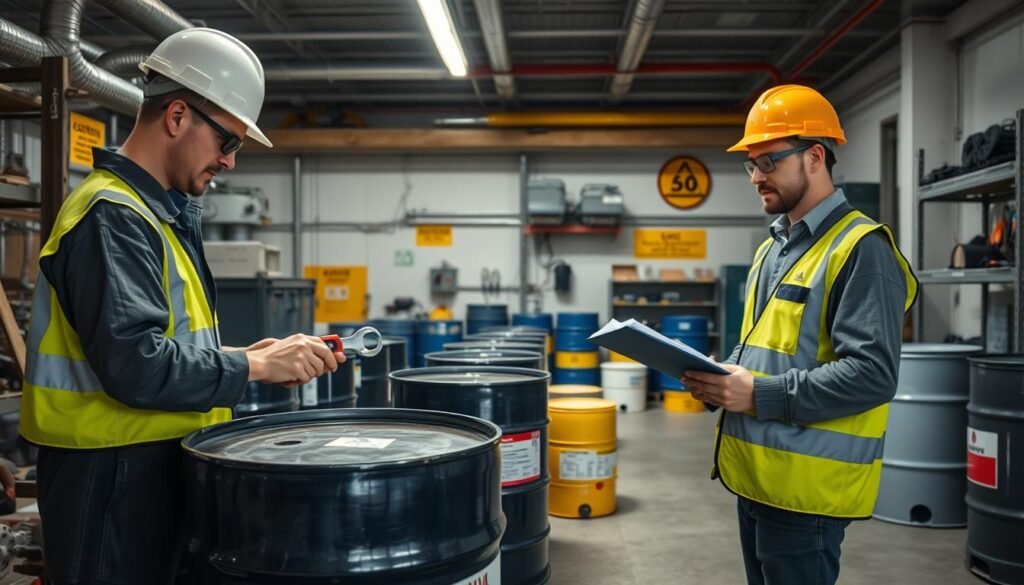
Keeping oil collection areas clean is a big challenge for us. We face problems with old infrastructure and tight budgets. We need smart plans and new ideas to keep our places safe and up to code.
Addressing Aging Infrastructure
Our places use old equipment that needs a lot of fixing. These old systems can’t keep up with today’s standards. We spend more on repairs as things like pipes and tanks get worse.
We make big plans to update our equipment slowly. This way, we can fix things without stopping work. Making our places newer helps us stay safe and protect the environment.
Overcoming Budget Constraints
Not having enough money makes choosing what to fix first hard. We have to pick between urgent fixes and bigger updates. But keeping our storage safe is always our main goal, no matter the cost.
| Infrastructure Challenge | Impact on Operations | Our Solution |
|---|---|---|
| Corroded storage tanks | Increased spill risk | Phased replacement program |
| Outdated monitoring systems | Detection delays | Automated technology upgrades |
| Deteriorating containment areas | Contamination spread | Structural reinforcement plans |
| Aging pump equipment | Performance inefficiency | Preventive maintenance schedules |
We find money through grants, partnerships, and special funds for being green. Our goal is to keep everyone safe and the environment clean. By spending wisely now, we protect our future.
Importance of Logged Data and Records
Keeping detailed records is crucial for our operations. We know that accurate documentation helps us track our daily activities. It proves we follow all the rules. Without good records, we can’t show regulators our commitment to doing things right.
Our logs show our dedication to excellence and responsibility. They tell the story of our commitment to excellence and responsibility.
We keep detailed files on all activities at our facility. These documents help anyone follow our path during inspections. Our team knows that proper waste oil management depends on knowing what happened and when.
Tracking Oil Management Practices
Our logging system captures every detail of our daily work. We record when we collect oil, where it goes, and how much we handle. This information helps us spot patterns and trends over time.
We can see which areas work well and which ones need attention.
- Document collection dates and amounts
- Note equipment inspections and repairs
- Record staff training sessions
- Track disposal procedures and destinations
- Monitor environmental conditions at storage sites
Assessing Compliance and Performance
We review our records regularly to measure our performance. This review shows us where oil collection area maintenance works best and where we can improve. We compare our results against state and federal rules to make sure we meet every requirement.
| Record Type | Purpose | Review Frequency |
|---|---|---|
| Daily Collection Logs | Track oil volumes and sources | Weekly |
| Maintenance Reports | Document equipment upkeep | Monthly |
| Inspection Forms | Verify safety standards | Quarterly |
| Compliance Checklists | Ensure regulatory adherence | Annual |
Our data shows us what works and what does not. When auditors visit, we have proof that we take our responsibilities seriously. These records help us improve continuously and demonstrate our dedication to keeping our community safe.
Oil Collection Area Design Considerations
Designing an oil collection area needs careful planning. We aim to balance efficiency with environmental care. This ensures our spaces are safe for our teams and protect nature.
The right design stops accidents, cuts waste, and keeps everyone safe. Planning well saves time and money later.
Effective Layout for Operations
We design layouts that make daily tasks easier and quicker. We place storage tanks, drainage, and work areas in smart spots. This lets staff move around without getting in the way.
Clear paths reduce accidents and increase productivity.
Key elements we include in our layouts are:
- Strategic tank placement for easy access and maintenance
- Separate zones for different oil types and handling activities
- Wide pathways for safe movement and emergency access
- Designated areas for cleaning and waste management
- Clear signage marking hazard zones and safety equipment
Mitigating Environmental Impact
We include secondary containment systems in every design. These systems catch spills before they harm soil or water. We use barriers and basins under storage areas to prevent damage.
Our approach includes:
- Installing impermeable liners in containment areas
- Creating sloped surfaces for controlled drainage
- Positioning pumps and filters away from natural waterways
- Building buffer zones between operations and sensitive ecosystems
- Using quality secondary containment systems rated for our oil volumes
We believe that good design is the foundation of environmental protection. Planning wisely from the start protects our business and the environment.
Engaging Stakeholders in Oil Management
Building strong relationships with stakeholders is key for effective oil management. By working with local communities, industry experts, and environmental groups, we build trust and openness. This teamwork helps us tackle concerns and share our operations’ details.
Stakeholder engagement shapes our facility management and how we face challenges. We believe that people near our operations should know what we do and why safety is crucial.
Importance of Communication with Local Communities
Talking openly with nearby residents is vital for responsible operations. We keep open lines for questions and concerns about our activities.
- Regular community meetings to discuss safety protocols and environmental practices
- Clear reporting on incidents and corrective actions taken
- Educational materials about our spill prevention measures
- Accessible contact information for reporting issues or concerns
When communities see our dedication to clean operations, they become our allies in protecting their environment.
Collaborating with Experts and NGOs
Partnering with industry experts and environmental groups keeps us up-to-date on sustainable practices. These partnerships offer insights into new technologies and best practices.
- Partnering with environmental nonprofits to monitor site conditions
- Consulting with industry specialists on equipment upgrades
- Participating in sustainability networks and working groups
- Supporting research initiatives focused on cleaner collection methods
Our dedication to engaging all stakeholders ensures our oil management stays responsible, open, and in line with community values.
Encouraging Innovation in Oil Collection
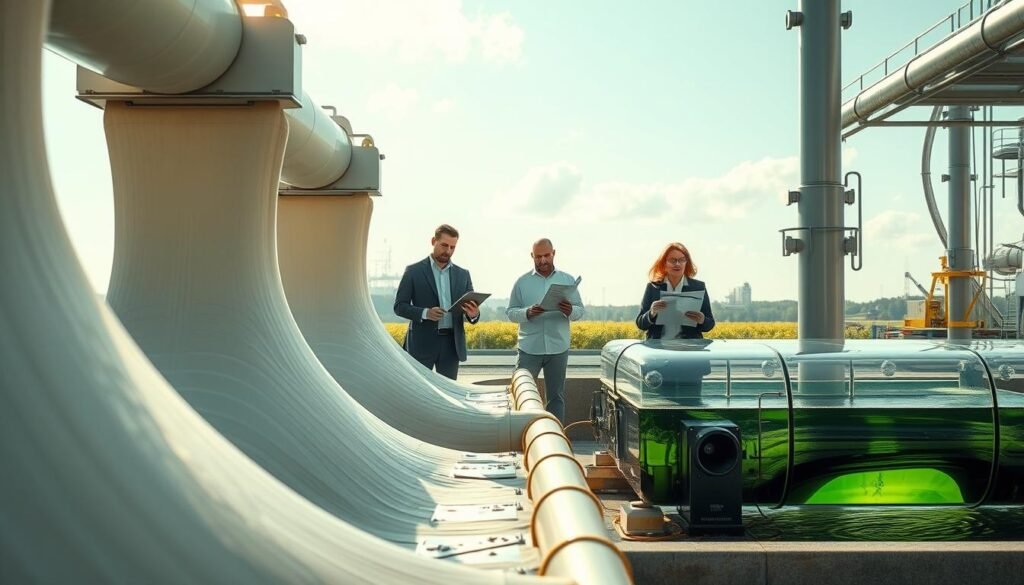
We think it’s key to keep improving how we collect oil to protect our planet and do better work. The oil industry needs to use cleaner tech and work smarter. We’re all about pushing the limits of what’s possible in oil collection and containment.
By backing new ideas, we stay ahead in the game. Our team is always on the lookout for ways to cut down on harm to the environment and boost our work.
Supporting Research Initiatives
We help fund studies on better oil collection and waste management. These studies aim to make handling oil safer and containment better. We team up with schools and research groups to find new tech that helps everyone.
Our research covers:
- Testing new filters for better oil recovery
- Creating top-notch environmental monitoring tools
- Teaching workers about clean collection methods
- Looking into how well secondary containment systems work over time
Investing in Cleaner Technologies
We put a lot of money into the latest cleanup tech and containment systems. Modern secondary containment systems keep our environment safe from spills and leaks. They’re a big step forward in stopping pollution.
Our tech investments are:
- Systems that spot leaks right away
- Better drainage for collection areas
- Smart sensors for oil quality and safety
- Green materials for building and upkeep
Innovation is not optional—it’s our duty to the future. We’re committed to finding new ways to make oil collection safer and cleaner. Our hard work means we’re always getting better at protecting the environment and doing our job well.
Getting Started in the Airbnb Business
We help with more than just safety and the environment. Many people want to start a new business in hospitality. Airbnb lets you make money by hosting travelers from all over.
To start, you need a plan, attention to detail, and a focus on great service. A successful Airbnb listing takes time and effort. You must prepare your space, take good photos, and write a catchy description.
Setting the right price and keeping in touch with guests is key. This builds trust and leads to good reviews. We know how important quality management is, whether in industry or sharing economy.
Questions About the Airbnb Business
We’re here to answer your Airbnb questions. Contact us on WhatsApp at (917) 995-2995 for help. Our team can guide you through the platform and offer advice from our experience in hospitality.
Ready to Begin Your Airbnb Journey
Want to start your Airbnb business? Click here to join: https://www.airbnb.com/rp/angelg31511?p=stay&s=67&unique_share_id=3c25b017-7512-4e24-a7ae-70c3d7488f05. This link will guide you to create your first listing. We bring the same professionalism to supporting your business as we do to our environmental work.